Uses and Applications
Peptide Synthesis: Used as a versatile building block in Solid Phase Peptide Synthesis (SPPS) and solution-phase peptide synthesis to protect the N-terminal amine.
Pharmaceutical Research: Serves as an intermediate in the development of new pharmaceutical compounds, particularly in creating specific amino acid sequences for drug design.
Chemical Intermediates: Employed in organic synthesis for the production of modified amino acids, such as N-propargylalanine and hybrid tripeptidomimetics.
Biotechnology: Used in the production of recombinant proteins, vaccines, and therapeutic agents.
Antimicrobial Activity: Studies have shown it has potential activity against Gram-positive (e.g., Staphylococcus aureus) and Gram-negative bacteria.
Food Industry: Utilized as a building block in the synthesis of food additives and flavor enhancers.
Chemical Features
Selective Deprotection: The Boc group is easily removed under acidic conditions (e.g., TFA/DCM).
Stability: Stable at high temperatures and in various coupling reactions.
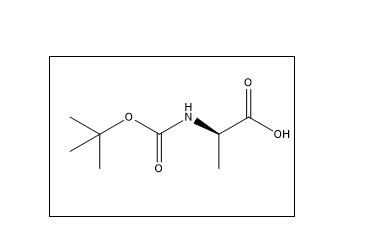
It is primarily used as a protected amino acid in peptide synthesis and drug development. It is the unique identification number assigned to Boc-L-Alanine for global chemical reference. Yes, it is widely used in pharmaceutical and biotechnology industries for research and production. It provides stability, easy handling, and efficient protection during peptide chain formation.