
Uses and Applications
- Pharmaceutical Development: Used as a building block in the synthesis of pharmaceuticals, particularly for targeting neurological disorders, acting as a protected amino acid derivative.
- Peptide Synthesis: Used to replace aromatic amino acid residues in polypeptide analogues to determine agonist or antagonist pharmacological properties.
- Biochemical Research: Serves as a substrate or inhibitor in enzyme studies, specifically for alkaloid decarboxylase, helping to understand enzyme mechanisms.
- Organic Chemistry: Acts as a starting material for the synthesis of diazo ketones and other complex molecules.
- Analytical Chemistry: Employed as a chiral derivatizing agent in chromatography to assist in the separation of enantiomers.
- Cosmetics/Food: Listed as having potential applications in cosmetic formulations (moisturizing properties) and in the food industry as a potential flavor enhancer.
Safety Information
- Warning Signal: Harmful if swallowed, causes skin irritation, causes serious eye irritation, and may cause respiratory irritation.
- Precaution: Avoid breathing dust, fumes, or vapors. Use proper protective equipment (gloves, eye protection).
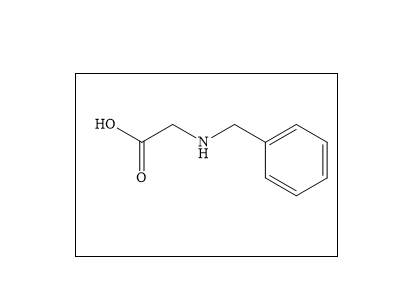
N-Benzyl glycine (CAS 17136-36-6) is an organic compound that serves as a versatile amino acid derivative, commonly used as a building block in pharmaceutical research, organic synthesis, and biochemical studies. It is often employed in the design of peptide analogues and as a tool for studying enzyme mechanisms.
It is mainly used as an intermediate in peptide synthesis and pharmaceutical manufacturing. It is the unique identification number assigned to Benzyl Glycine for global reference. Yes, it is widely used in chemical and biochemical research applications. It is a glycine derivative with a benzyl protecting group, offering stability in synthesis processes. Pharmaceutical, biotech, and chemical industries commonly use this compound.


