Key Chemical and Physical Properties
CAS Number: 598-10-7
Molecular Formula: 𝐶5𝐻6𝑂4
Molecular Weight: 130.10 g/mol
Appearance: White to almost white powder to crystals
Melting Point: 137.0 to 143.0 °C (other sources cite 134-136 °C)
Solubility: Soluble in water (faint turbidity), soluble in methanol (1 g/10 mL)
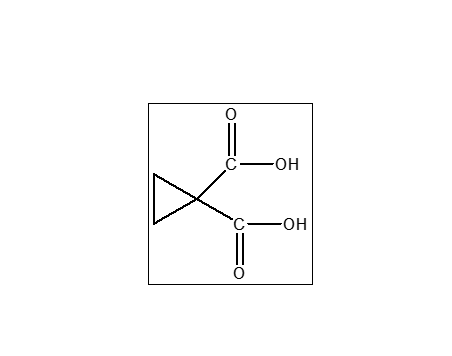
Structure: A 3-membered ring (highly strained) with two carboxyl groups on the same carbon
Synonyms
1,1-Cyclopropanedicarboxylic acid
1-Carboxycyclopropanecarboxylic acid
Ethylenemalonic acid
Cyclopropan-1,1-dicarboxylic acid
NSC 626865
Vinaconic acid
Uses and Applications
Pharmaceutical Intermediates: Primarily used in the manufacturing of APIs, including:
Aminopentamide Sulphate
Montelukast
Ketorolac
Synthesis of Heterocycles: Used to create heterocyclic derivatives containing thiadiazole and 1,2,4-triazole moieties.
Chemical Synthesis: Acts as a building block in organic synthesis for spiro-cyclopropyl metallocycles and various cyclopropanecarboxamides.
Agricultural Chemical Synthesis: Used to prepare compounds with antifungal activity.
Biochemical Research: Serves as an inhibitor of 1-aminocyclopropane-1-carboxylic acid oxidase, which is involved in plant ethylene biosynthesis.
Specialty Chemicals: Employed in the production of specialty polymers to enhance flexibility and thermal stability.
Safety and Handling
- GHS Classification: Corrosive (Class 8).
- Hazard Statements: H314: Causes severe skin burns and eye damage.
- Storage: Store in a dry, sealed, room temperature environment.
Cyclopropane-1,1-dicarboxylic acid (CAS 598-10-7) is a cyclic dicarboxylic acid and a versatile intermediate in organic synthesis, primarily used in the pharmaceutical industry for the production of Active Pharmaceutical Ingredients (APIs) such as Montelukast, Ketorolac, and Aminopentamide Sulfate. It is characterized by a three-membered cyclopropane ring with two carboxylic acid groups on the first carbon.