Synonyms
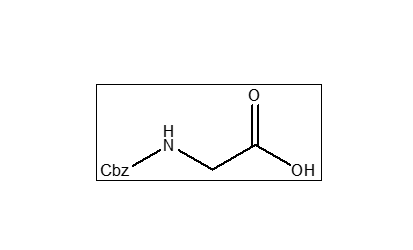
N-Carbobenzoxyglycine
N-Benzyloxycarbonylglycine
Z-Gly-OH
2-{[(Benzyloxy)carbonyl]amino}acetic acid
N-[(phenylmethoxy)carbonyl]glycine
Uses and Applications
Peptide Synthesis: Used as an N-protected amino acid building block in solution-phase peptide synthesis and solid-phase peptide synthesis (SPPS).
Organic Building Block: Serves as a versatile reagent in the synthesis of various amino acid derivatives and chemical compounds.
Pharmacological Research: Acts as an intermediate for creating protease inhibitors and has been investigated in studies related to neurotransmission and anticonvulsant activity.
Specific Synthetic Reactions: Used in the creation of glycine N-substituted amides and peptide-based compounds, such as Z-Gly-DL-Ala-OBzl.
Safety and Handling
- Signal Word: Warning
- Hazard Statements: H302 (Harmful if swallowed), H315 (Causes skin irritation), H319 (Causes serious eye irritation), H335 (May cause respiratory irritation).
- Precautions: Potential for moderate eye and respiratory irritation; use with proper protective equipment.
The CAS number of CBZ-Glycine is 1138-80-3. It is mainly used in peptide synthesis, pharmaceutical intermediates, and organic chemistry research. The CBZ (Carbobenzyloxy) group protects the amino group during chemical reactions, preventing unwanted side reactions. Yes, it is widely used in both laboratory-scale and industrial-scale pharmaceutical manufacturing. It should be stored in a cool, dry place, away from moisture and direct sunlight, in tightly sealed containers.