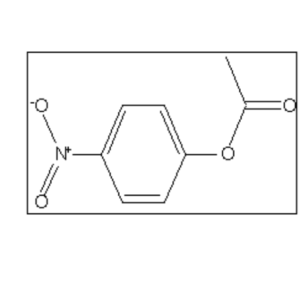
Physical Properties:
Appearance : White to off white powder
Purity : >98.00% (GC)
Melting Point : 86°C – 90°C
Boiling Point : NA
Storage Temperature : Store at Room temperature
LOD : NA
Solubility : Soluble in Methanol
Density : 1.2023
Moisture content : NMT 1.00 %
Benzyl Carbamate 621-84-1, It is used as a protected form of ammonia and an intermediate in synthesizing organic compounds. It functions as a protecting group for amino acids and amines, facilitating selective reactions during the construction of peptides and other complex molecules. It can also serve as an internal standard in quantitative drug analysis and has shown antimicrobial properties in laboratory studies.
Scientific Research Applications
Medicinal Chemistry
1.1 Drug Design and Development
Benzyl carbamate derivatives have been extensively studied for their potential as therapeutic agents. The carbamate group is known for enhancing the pharmacological properties of compounds, making it a valuable motif in drug design. For instance, this compound has been incorporated into various drug formulations aimed at inhibiting cholinesterase enzymes, which are crucial in treating neurodegenerative diseases like Alzheimer’s.
- Case Study: Cholinesterase Inhibition
A study evaluated a series of benzene-based carbamates for their ability to inhibit acetylcholinesterase (AChE) and butyrylcholinesterase (BChE). The results indicated that certain derivatives exhibited significant inhibitory potency, suggesting their potential as therapeutic agents for cognitive disorders .
1.2 Anticancer Activity
Recent research has highlighted the anticancer potential of this compound derivatives. Modifications to the compound structure have resulted in compounds with enhanced cytotoxicity against various cancer cell lines.
- Case Study: Antitumor Activity
A derivative of this compound demonstrated a 12-fold increase in potency compared to its parent compound when tested against specific cancer cells. This underscores the importance of structural modifications in improving therapeutic efficacy .
Organic Synthesis
2.1 Peptide Synthesis
This compound is widely used as a protecting group for amines during peptide synthesis. Its stability under various reaction conditions allows for selective deprotection, facilitating the synthesis of complex peptides.
- Data Table: Common Protecting Groups
| Protecting Group | Stability | Deprotection Method |
| This compound | High | Acidic conditions |
| Boc (tert-butoxycarbonyl) | Moderate | Acidic conditions |
| Fmoc (9-fluorenylmethoxycarbonyl) | Moderate | Basic conditions |
2.2 Synthesis Methodologies
Innovative methodologies utilizing this compound have been developed for synthesizing various organic compounds. For example, recent studies have explored its use in transcarbamation reactions, converting benzyl carbamates to amides efficiently using potassium carbonate in alcohols .
Agricultural Applications
This compound derivatives have shown promise as agrochemicals, particularly as insecticides and acaricides. Their effectiveness against pests has been documented in several studies.
- Case Study: Insecticidal Activity
Research on ethyl benzyl carbamates revealed significant efficacy against resistant tick populations, achieving over 99% efficacy in field trials . This highlights the potential of this compound derivatives in pest management strategies.
Material Science
Recent advancements have seen the application of this compound in material science, particularly in the development of membranes with selective permeability properties.
- Case Study: Membrane Technology
Electrospun cellulose membranes incorporating this compound exhibited preferential permeation characteristics, making them suitable for applications in drug delivery systems .
Mechanism of Action
The mechanism of action of benzyl carbamate involves its role as a protecting group for amines. The benzyl group can be selectively removed under specific conditions, allowing for the controlled synthesis of primary amines . The molecular targets and pathways involved in its action are primarily related to its chemical reactivity and stability under different conditions
Benzyl carbamate is a compound that has garnered attention in various fields of biological research due to its diverse pharmacological properties. This article explores its biological activity, focusing on its mechanisms of action, therapeutic potentials, and relevant case studies.
Overview of this compound
This compound, also known as phenyl carbamate, is an organic compound characterized by the presence of a benzyl group attached to a carbamate functional group. Its chemical structure can be represented as follows:
C6H5CH2OC O NHRC6H5CH2OC O NHR
Where R can be various substituents. This compound has shown promise in the inhibition of specific enzymes, particularly cholinesterases, and has potential applications in treating conditions such as Alzheimer’s disease and tuberculosis.
Cholinesterase Inhibition
One of the primary biological activities of this compound derivatives is their ability to inhibit cholinesterase enzymes, specifically acetylcholinesterase (AChE) and butyrylcholinesterase (BChE). This inhibition leads to increased levels of acetylcholine in synaptic clefts, which can enhance cholinergic neurotransmission.
- Selectivity and Potency : Research indicates that certain this compound derivatives exhibit significantly higher selectivity for BChE compared to AChE. For instance, a study identified benzyl {(2S)-1-[(2-methoxybenzyl)sulfamoyl]-4-methylpentan-2-yl}carbamate as having an IC50 value of 4.33 µM against BChE, making it approximately 9-fold more effective than rivastigmine, a clinically used AChE inhibitor .
Antitubercular Activity
This compound derivatives have also been investigated for their antitubercular properties. A series of 3-benzyl-5-hydroxyphenylcarbamates demonstrated potent inhibitory activity against Mycobacterium tuberculosis strains, with minimum inhibitory concentrations (MIC) ranging from 0.625 to 6.25 µg/mL . Notably, compound 3l exhibited significant in vivo efficacy in a mouse model infected with M. tuberculosis, indicating its potential as a therapeutic agent .
Antitubercular Efficacy
Another pivotal study focused on the antitubercular activity of this compound derivatives. The results indicated that:
- Compound 3l showed significant reduction in bacterial load in infected mice.
- The treatment resulted in a log reduction of bioluminescence intensity in the lungs by 1.3 logs compared to untreated controls .
One-Step Synthesis Focus: Specifically designed for one-step synthesis, it provides concise and direct routes for your target compounds, streamlining the synthesis process.
FAQs Yes, we manufacture and supply Benzyl Carbamate (CAS 621-84-1) in bulk quantities for industrial and commercial applications.