
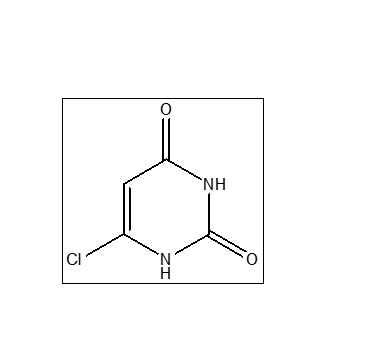

The CAS number is 4270-27-3, which uniquely identifies this compound in chemical databases. Its pyrimidine structure allows it to act as a key building block for creating biologically active molecules. 6-Chlorouracil is typically available in high purity grades (≥98%), suitable for laboratory and industrial use.' It should be stored in a tightly closed container in a cool, dry place, away from light and moisture.
What is 6-Chlorouracil?
6-Chlorouracil is a chlorinated derivative of uracil, commonly used as an intermediate in pharmaceutical and chemical research.
What is the CAS number of 6-Chlorouracil?
What are the primary uses of 6-Chlorouracil?
It is mainly used in the synthesis of pharmaceutical compounds, nucleoside analogs, and other specialty chemicals.
Why is 6-Chlorouracil important in drug development?
What purity levels are available?
How should 6-Chlorouracil be stored?


