Physical Properties
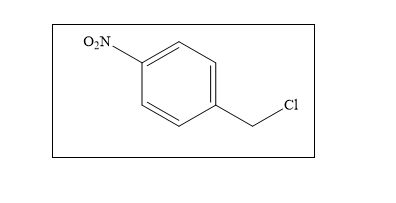
CAS Number: 100-14-1
Molecular Formula: 𝐶7𝐻6𝐶𝑙𝑁𝑂2
Molecular Weight: 171.58 g/mol
Melting Point: 70–73 °C (lit.)
Appearance: White to cream/pale yellow crystals or powder
Solubility: Moderately soluble in organic solvents (ether, chloroform, n-heptane); limited solubility in water
Density: 1.3246 (approximate estimate)
Stability: Stable under recommended storage (cool, dry, dark), but incompatible with bases, strong oxidizing agents, amines, and moisture.
Synonyms
1-(Chloromethyl)-4-nitrobenzene
𝛼-Chloro-p-nitrotoluene
p-Nitrobenzyl chloride
4-Nitrophenylmethyl chloride
𝛼-Chloro-4-nitrotoluene
4-(Chloromethyl)nitrobenzene
Toluene, 𝛼-chloro-p-nitro-
Uses and Applications
Organic Synthesis Intermediate: It acts as a versatile building block for synthesizing complex organic molecules, including pharmaceuticals and agrochemicals.
Pharmaceutical Production: Used in the development and manufacturing of various pharmaceutical compounds.
Chemical Synthesis/Research: Used for preparing unsymmetrically N,N′-bis(substituted) 4,13-diaza-18-crown-6-ether derivatives.
Dye Manufacturing: Employed in the textile industry for dye production.
Analytical Chemistry: Acts as a substrate for glutathione S-transferase (GST) in enzymatic studies.
Biomarker: Used in studies assessing toxic compound exposure.
Safety and Handling
Hazard Identification: Harmful if swallowed or inhaled; causes severe skin burns and eye damage.
Reactivity: Can react violently with strong bases (sodium/potassium hydroxide) or reducing agents.
Storage: Store in a cool, dark, dry area, preferably at 2-8°C, and keep away from moisture.
Shipping: Classified as a dangerous good (UN3261 or UN1578, depending on purity and form).
4-Nitrobenzyl chloride (CAS 100-14-1) is a halogenated aromatic nitro compound utilized primarily as an intermediate in chemical synthesis, particularly for pharmaceuticals, dyes, and complex organic molecules. It appears as a pale yellow to light brown crystalline solid or powder, known for its high reactivity in nucleophilic substitution reactions due to the presence of the electron-withdrawing nitro group