Uses and Applications
Pharmaceutical Development: Used in the synthesis of pharmaceuticals, particularly those targeting metabolic disorders, and studied for potential neuroprotective effects.
It is being investigated as a therapeutic agent for cancer, specifically for inhibiting tumor growth and inducing apoptosis.
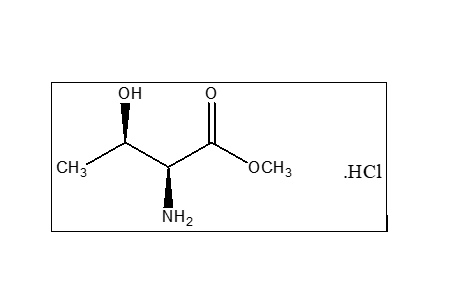
Biotechnology & Peptide Synthesis: Functions as a protected amino acid building block (H-Thr-OMe·HCl) for constructing peptides and complex molecules.
Microbiology & Infection Research: Exhibits potent in vitro activity against Gram-negative bacteria, including Escherichia coli and Klebsiella pneumoniae, acting as a potential antimicrobial agent.
Biochemical Research: Used to study metabolic pathways and enzyme activity, serving as an agonist for the hyaluronic acid receptor.
Nutritional Supplements: Used in research regarding amino acid supplementation to enhance protein synthesis and muscle recovery.
Safety and Handling
Storage: Store in a dry, cool place (often required to be kept frozen/under inert gas) due to moisture sensitivity.
Hazards: May cause irritation to eyes, skin, and respiratory system. Generally classified under WGK 3 (hazardous to water).
It is primarily used as an intermediate in peptide synthesis and pharmaceutical manufacturing. The CAS number is 39994-75-7. Yes, it is commonly used in research labs for chemical and peptide synthesis. Store in a cool, dry place, tightly sealed, away from moisture and light. It usually appears as a white to off-white crystalline powder.