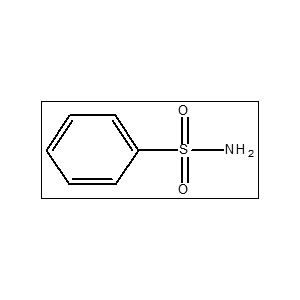
Common Synonyms and Identifiers:
Benzenesulfonamide
Benzene sulfonamide
Benzenesulfonyl amine
Benzene sulfonamide (various spellings: Benzene sulfonamtde, Benzosuifqnamide, Benzenesulfonamide)
Benzenesulphonamide
Benzolsulfonamide
Phenylsulfonamide
Benaenesulfonicamide
M and B 7973
NSC 85506
MDL Number: MFCD00007930
Identifiers and Regulatory
EC Number: 202-637-1
Beilstein/REAXYS Number: 1100566
Benzenesulfonamide (CAS 98-10-2), Is a versatile aromatic compound primarily used as a key intermediate in the chemical, pharmaceutical, and agricultural industries. It acts as a structural building block for the synthesis of various compounds, including dyes, pesticides, and pharmaceuticals.
Key Applications and Uses:
Pharmaceutical Intermediate: It is a vital raw material in the synthesis of APIs (Active Pharmaceutical Ingredients), such as sulfonamide antibiotics and drugs for treating proliferative diseases like cancer. It is used specifically in the preparation of sulfacetamide.
Carbonic Anhydrase Inhibitor: The compound is recognized for its ability to inhibit human carbonic anhydrase B, making it relevant for medical research and the development of new treatments.
Chemical Synthesis: Used as a reagent in organic synthesis for creating heterocyclic compounds and performing sulfonylation reactions.
Industrial Applications:
Dyes & Photochemicals: Used in the manufacturing of dyes and photochemical agents.
Disinfectants: Applied in the production of disinfectant formulations.
Specialty Chemicals: Serves as an ingredient in the production of polymers and other specialized chemical products.
Research: Employed in laboratory settings to develop analytical methods for detecting environmental contaminants, such as benzothiazole and benzotriazole.
It is important to note that while it has antibacterial properties, it is primarily utilized as a precursor to more complex, biologically active molecules.
The CAS number of Benzenesulfonamide is 98-10-2. It is mainly used in drug manufacturing, research applications, and specialty chemical production. Typically, it is available in high purity (98% or above) depending on the supplier. Yes, it is widely used in laboratories for synthesis and research purposes.