Uses:
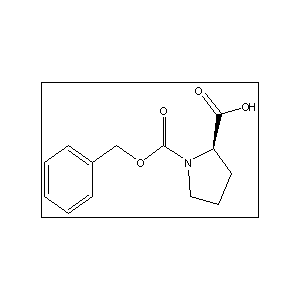
Pharmaceutical Synthesis: It is used in the synthesis of peptide analogs, including trichostatin A and trapoxin B.
Enzyme Inhibition: It serves as a precursor for generating selective inhibitors for caspase-3 and caspase-7.
Chiral Building Block: Utilized in chemical research as a chiral starting material or intermediate for the synthesis of biologically active molecules and drugs.
Protein Engineering: Employed to introduce conformational constraints in proteins, assisting in the study of protein folding and stability.
Key Applications:
Peptide Synthesis & Drug Discovery: Serves as a key intermediate for creating specialized peptides and improving the stability/bioavailability of drug candidates.
Chiral Auxiliary/Ligand: Used in asymmetric synthesis to produce enantiomerically pure compounds, vital for fine chemical production.
Protein Engineering: Employed to introduce conformational constraints, assisting in the study of protein folding and stability.
Research & Development: Utilized in laboratories for studying proline metabolism and in general pharmaceutical R&D.
Anti-HIV/Antibacterial Agents: Derivatives of Cbz-D-Proline have been associated with antimicrobial and antiviral research.