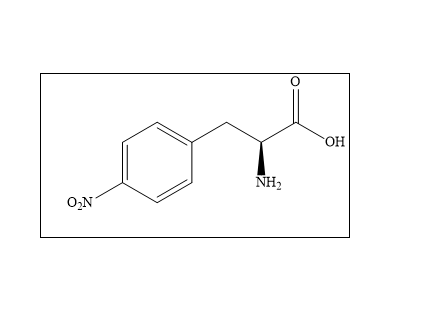
Benzoylglycine(Hippuric acid) CASNO: 495-69-2

Physical properties:

Appearance: White to off-white crystals, powder, or granules.

Molecular Formula: C9H9NO3

Melting Point: 187-1910C

Density: 1.37 g/cm3

Solubility:

Water: Soluble in hot water

Organic Solvents: Soluble in alcohol (hot ethanol), ether, and acetone; sparingly soluble in benzene, chloroform, and carbon disulfide.

Acidity (pKa): Acts as a weak acid (typically shows a pH of 2.5–3.5 in aqueous solution).

Stability: Stable under normal temperatures and pressures, but decomposes at approximately

Odor: Odorless.

Benzoylglycine (CAS 495-69-2), Commonly known as hippuric acid, is a white crystalline carboxylic acid found in urine, produced from the metabolism of phenylalanine and benzoate. Key synonyms include N-benzoylglycine, benzamidoacetic acid, benzoylaminoacetic acid, and benzoyl glycocoll. It acts as a glycine conjugate of benzoic acid, often used in studies of liver/kidney function.

IUPAC/Chemical Name: 2-Benzamidoacetic acid


Synonyms:

N-Benzoylglycine

Benzamidoacetic acid

Benzoylaminoacetic acid

Benzoyl glycocoll

Molecular Formula:

Molecular Weight: 179.18 g/mol

Uses: Used as an analytical reference standard in HPLC and GC-MS to test human urine.

Key Applications and Uses:

Benzoylglycine (Hippuric acid, used as a biomarker for metabolic studies (toluene exposure, diet) and in biochemical research. It acts as a key intermediate in chemical synthesis, particularly for amino acids, and as an analytical reagent in HPLC/GC-MS for quantifying metabolic compounds.

Biomarker for Exposure and Health:

Toluene Exposure: It is widely used as a biomarker to measure exposure to toluene.

Metabolic Studies: It is monitored as a indicator of dietary phenolic metabolism (e.g., wine, fruit juice consumption).

Clinical Diagnostics: It acts as a marker for potential neurological disorders, such as Parkinson’s disease.

Chemical Synthesis and Industrial Use:

Intermediate: Used in the synthesis of pharmaceuticals, peptides, and other organic compounds.

Erlenmeyer–Plöchl Synthesis: Utilized in the preparation of phenylalanine and other amino acids, often involving an oxazolone intermediate.

Analytical Standard: Used as a reference standard in HPLC and GC-MS for measuring urinary levels.

Other Applications:

Biochemical Research: Employed in studies related to enzyme substrate behavior, such as with hippurate hydroxylase.

FAQs

What is Benzoylglycine (Hippuric Acid)?

Benzoylglycine, also known as Hippuric Acid, is an organic compound used in biochemical and pharmaceutical research.

What is the CAS number of Benzoylglycine (Hippuric Acid)?

The CAS number is 495-69-2.

What are the uses of Hippuric Acid?

It is used in metabolic studies, pharmaceutical research, and as an intermediate in organic synthesis.

What is the purity of Benzoylglycine?

It is typically available in 98% or higher purity, depending on the supplier.

Is Hippuric Acid suitable for laboratory use?

Yes, it is widely used in laboratories for biochemical and research applications.

How should Benzoylglycine be stored?

Store in a cool, dry place away from moisture and direct sunlight.