
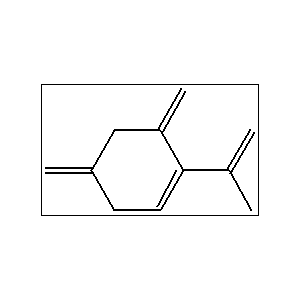
Uses:
Pharmaceutical Development: Explored in oncology research for targeting tumor cells and in developing antiviral treatments, particularly for respiratory infections.
Biochemical Research: Used to study enzyme interactions, metabolic pathways, and as an enzyme inhibitor.
Organic Synthesis: Serves as a building block for synthesizing other chemical compounds.
Scientific Research & Analysis: Utilized in mutagenesis studies, as an analytical standard to detect related compounds, and in materials science for non-linear optical (NLO) applications.
Key Applications:
Pharmaceutical Intermediates: It is used as a crucial intermediate in the synthesis of various active pharmaceutical ingredients (APIs).
Biochemical Research: It is used as a reagent in research and development, particularly for studying enzymes and as a starting material for synthesizing bioactive compounds, such as those with potential antimicrobial or antitumor properties.
Enzyme Inhibitor Studies: It has been tested as an inhibitor of uridine phosphorylase, which is important for understanding metabolic pathways.
Organic Synthesis: It acts as a specialized building block in organic chemistry to create more complex pyrimidine derivatives.
Non-Linear Optical (NLO) Materials: 5-Nitro Uracil CASNO: 611-08-5, Iis utilized in the development of organic materials for non-linear optics, which are used in laser and fiber optic technology.


