Uses:
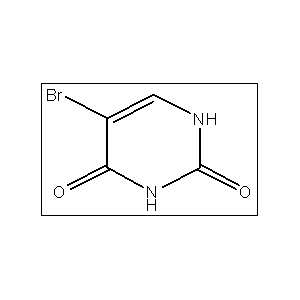
Genetic Research: Acts as a nucleoside analog to induce, study, and map mutations in DNA.
Biochemical Studies: Utilized to examine DNA replication and repair mechanisms.
Intermediate for Synthesis: Serves as a raw material in pharmaceutical drug discovery research.
Laboratory Reagent: Used in general scientific research, often as a solid, white crystalline powder.
Key Applications:
Pharmaceutical Intermediates: It serves as a key intermediate in the synthesis of advanced pharmaceutical molecules, specifically in the production of Palbociclib, a CDK4/6 inhibitor used for treating HR+/HER2- metastatic breast cancer.
Molecular Biology & Mutagenesis Research: 5-Bromouracil is used as a nucleoside analog that can be incorporated into DNA, replacing thymine. Due to its propensity to pair with guanine instead of adenine, it is a major chemical agent for inducing mutations and studying DNA replication and repair mechanisms.
Biochemical Reagent: It is utilized in biochemistry for studying DNA-protein interactions and as a probe in nucleic acid research.
Cytotoxic Agent: It is known to possess cytotoxic properties and has been studied for its ability to inhibit DNA synthesis.